

Two Things Can Be True: A Conversation About Weight Loss Medications
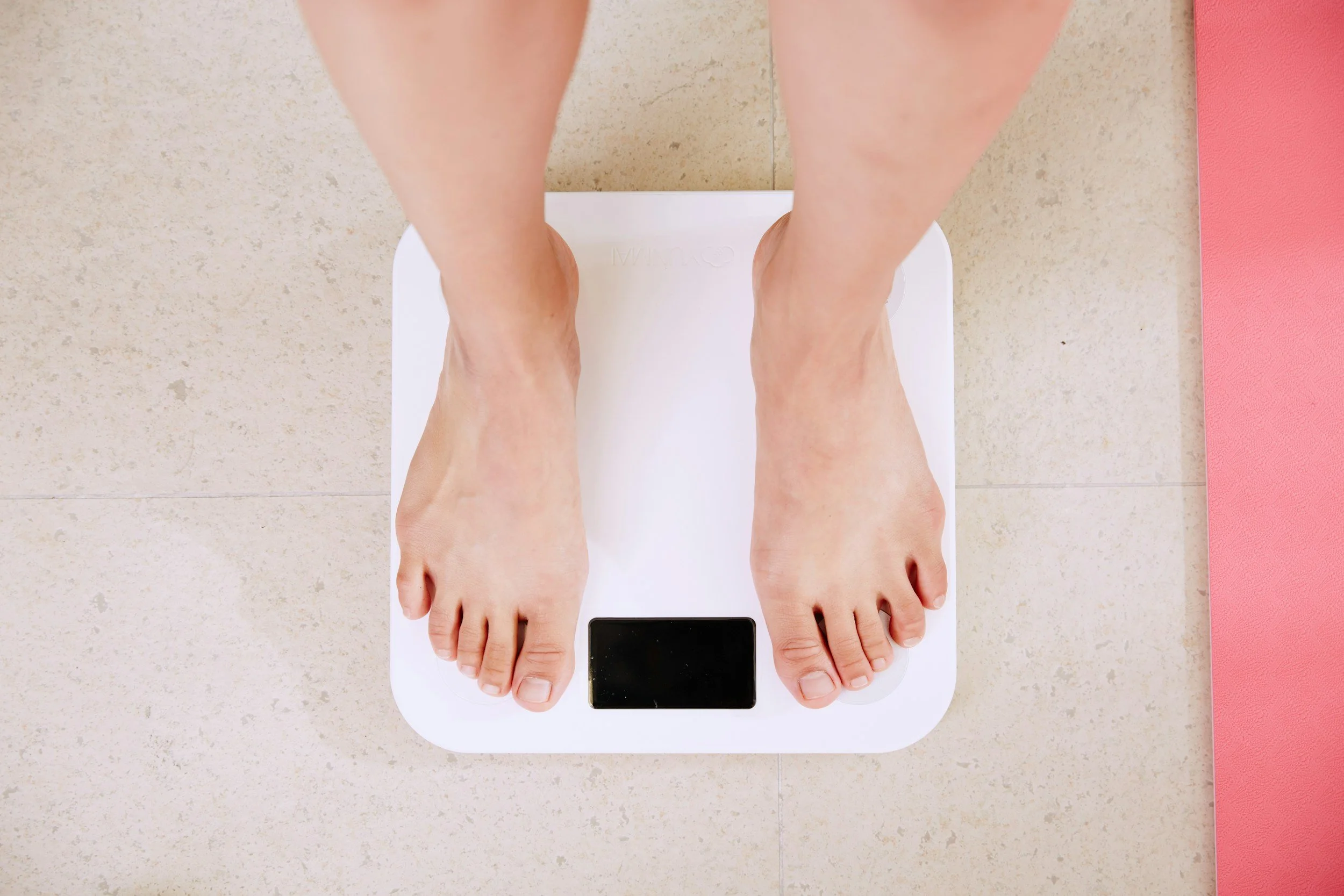
GLP-1 medications have become one of the most polarizing conversations in health and wellness. But what if two seemingly opposing perspectives could both be true? From body positivity and pharmaceutical profits to medical advancements and individualized care, there's more nuance to this conversation than simply being for or against weight loss medications. Let's make room for both sides of the conversation, because acknowledging one truth doesn't mean dismissing another.

Why “Eat 30 Grams of Protein Per Meal” Is Incomplete Nutrition Advice
"Eat 30 grams of protein per meal" has become one of the most common pieces of nutrition advice online—but is it actually enough information?
The reality is that protein needs depend on far more than a single number. Your age, body size, activity level, health status, goals, calorie intake, and even how many times you eat throughout the day all influence how much protein is appropriate for you.
For some people, focusing on protein is exactly what they need. For others, the real issue may be inadequate calories, insufficient carbohydrates or fats, or symptoms of low energy availability such as fatigue, brain fog, poor recovery, hair loss, sleep disturbances, or hormonal changes.
In this article, we'll explore why protein recommendations should always be individualized, how "30 grams per meal" can quickly add up to far more protein than some people need, and why nutrition advice without context is often incomplete advice.