

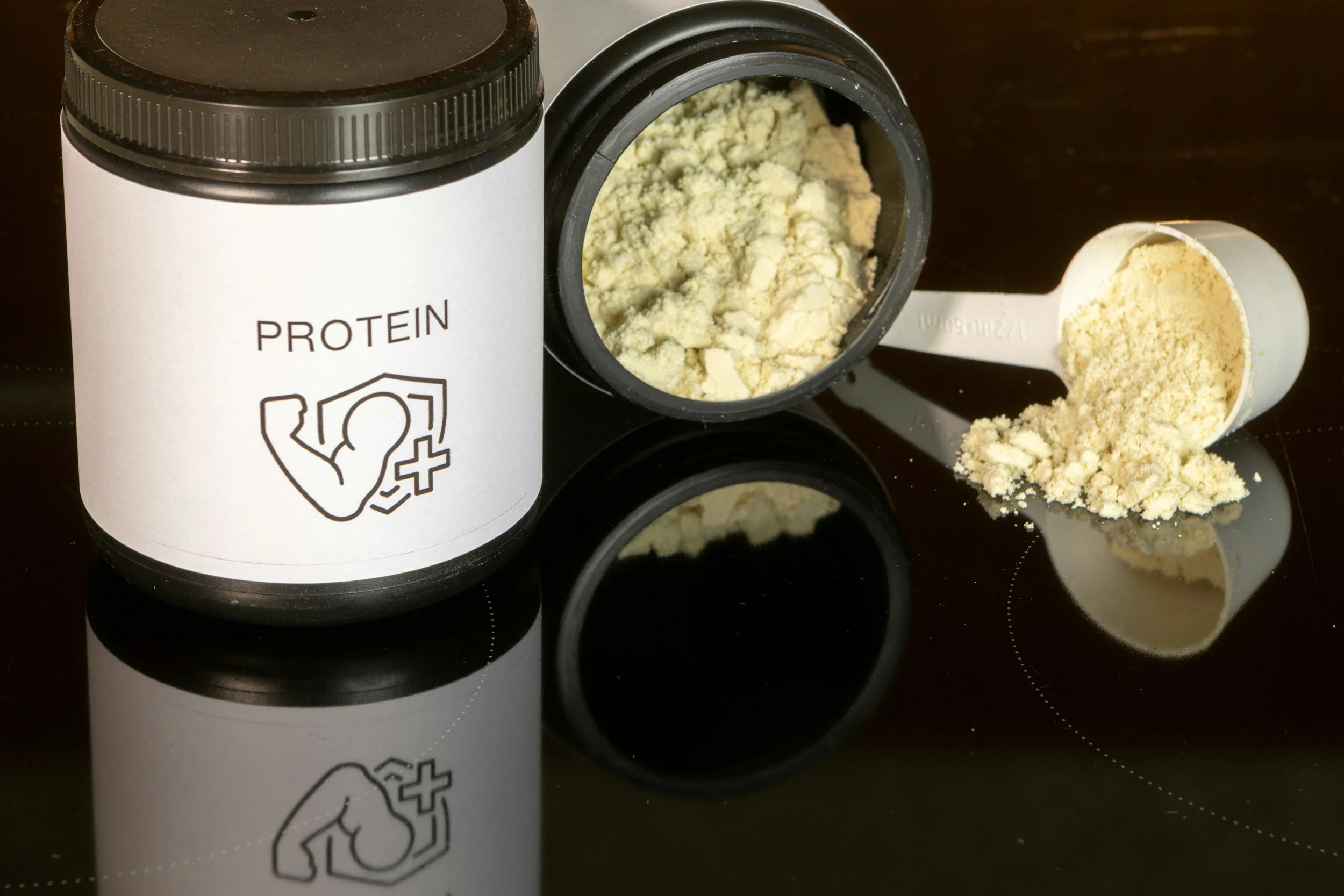
Why “Eat 30 Grams of Protein Per Meal” Is Incomplete Nutrition Advice
"Eat 30 grams of protein per meal" has become one of the most common pieces of nutrition advice online—but is it actually enough information?
The reality is that protein needs depend on far more than a single number. Your age, body size, activity level, health status, goals, calorie intake, and even how many times you eat throughout the day all influence how much protein is appropriate for you.
For some people, focusing on protein is exactly what they need. For others, the real issue may be inadequate calories, insufficient carbohydrates or fats, or symptoms of low energy availability such as fatigue, brain fog, poor recovery, hair loss, sleep disturbances, or hormonal changes.
In this article, we'll explore why protein recommendations should always be individualized, how "30 grams per meal" can quickly add up to far more protein than some people need, and why nutrition advice without context is often incomplete advice.

Female Athlete Underfueling: The Silent Performance Killer
Underfueling is a critical yet often unnoticed issue affecting nearly half of female athletes (professional but also recreational - yes you!), leading to hormonal imbalances, weakened bones, metabolic slowdowns, and mental health struggles. Chronic energy deficiency contributes to conditions like the Female Athlete Triad and Relative Energy Deficiency in Sport (RED-S), which can impact long-term athletic performance and overall well-being. A self-assessment checklist can help athletes recognize the signs of underfueling, and solutions include increasing caloric intake, prioritizing nutrient-dense foods, strategic meal timing, and seeking professional guidance. By addressing nutritional gaps, female athletes can enhance both their immediate performance and long-term health.